
Introduction
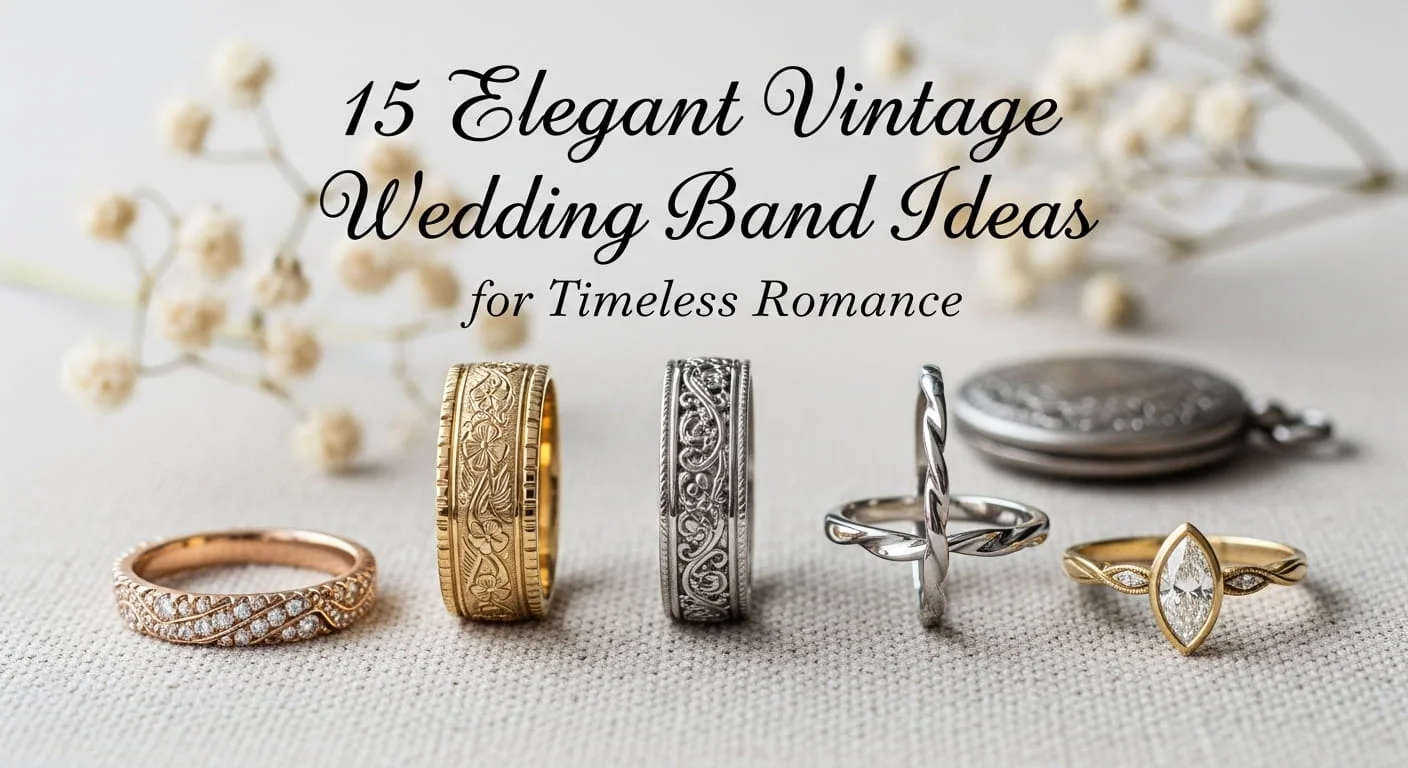
Choosing a wedding ring is a deeply personal journey, especially when you are drawn to the intricate storytelling of the past. For many brides-to-be, modern mass-produced rings often lack the soul and character found in historical designs. These vintage wedding band ideas offer a bridge between ancestral elegance and contemporary flair.
Whether you are scouring Pinterest for “old-world” inspiration or searching for a piece that stands out from the crowd, vintage styles provide unmatched craftsmanship. In this guide, we explore curated designs that evoke nostalgia while ensuring your bridal stack remains a timeless masterpiece of jewelry art.

In this article, you will learn:
- How to distinguish between major vintage eras like Art Deco and Edwardian.
- 15 specific design inspirations with visual prompts for your mood boards.
- Expert tips on selecting ethically sourced and durable antique-style bands.
Table of contents
- Introduction
- What Is a Vintage Wedding Band?
- Why Vintage Styles Matter in 2026
- 15 Elegant Vintage Wedding Band Ideas
- 1. The Delicate Milgrain Border
- 2. Art Deco Geometric Shield
- 3. Victorian Floral Engravings
- 4. The Edwardian Lace Filigree
- 5. Marquise and Dot Alternating Band
- 6. The Ornate Hand-Carved Scroll
- 7. Baguette-Cut Channel Set
- 8. The Toi et Moi Inspired Band
- 9. French Cut Diamond Eternity
- 10. The Rose Cut Romantic Band
- 11. Hammered Gold “Old World” Texture
- 12. The East-West Emerald Cut
- 13. The Victorian “Dearest” Acrostic Band
- 14. The Chevron Pointed Band
- 15. The Mixed Metal “Crossover”
- Comparison Table: Vintage Eras at a Glance
- Common Mistakes to Avoid When Buying Vintage
- Expert Tips for the Perfect Vintage Stack
- FAQs
What Is a Vintage Wedding Band?
A vintage wedding band is a ring inspired by styles from past historical periods. usually from the Georgian era to the mid-20th century. These pieces reflect distinct artistic movements and showcase intricate metalwork, such as filigree and milgrain edging. They often feature unique diamond cuts that emphasize character and charm over modern brilliance.
Why Vintage Styles Matter in 2026
In an era of fast fashion, the “New Heritage” trend is dominating the bridal industry. As a result, modern couples are prioritizing sustainability and individuality, leading to a massive resurgence in vintage-inspired jewelry. Consequently, data shows a 35% increase in searches for “reclaimed gold” and “antique settings,” as buyers seek pieces with a lower environmental footprint and a stronger sense of personal narrative.
15 Elegant Vintage Wedding Band Ideas
1. The Delicate Milgrain Border

Milgrain detailing offers a “thousand grains” effect that adds a textured, antique finish to any simple band. As a result, this style is perfect for the bride who wants a subtle hint of vintage flair without overwhelming her engagement ring’s center stone.
In addition, the beaded edges reflect light in a soft, diffused way that modern high-polish bands cannot replicate. Consequently, it creates a delicate frame for the diamonds, giving the illusion of a much older, handcrafted heirloom passed down through generations of a royal family.
2. Art Deco Geometric Shield
Art Deco wedding bands are celebrated for their bold, architectural silhouettes and “Roaring Twenties” glamour. Moreover, these rings often feature step-cut stones and repeating patterns that reflect both the strength and progress of the industrial age and the elegance of high luxury.
This style works exceptionally well for individuals who prefer a standalone statement piece rather than a traditional stack. The symmetry ensures the ring looks balanced from every angle, making it a favorite for those with an eye for structured, sophisticated design.
3. Victorian Floral Engravings
Victorian jewelry is famous for its romantic symbolism, often using nature-inspired motifs to represent eternal love and fidelity. In particular, these bands are usually crafted in rich yellow gold and feature deep, hand-carved engravings of vines, flowers, or even acanthus leaves.
The tactile nature of engraved bands makes them incredibly durable for daily wear since there are no prongs to snag. As the gold ages, the engravings pick up a beautiful patina that further highlights the artistry of the original jeweler’s handiwork.
4. The Edwardian Lace Filigree
Edwardian bands are the epitome of femininity and grace, characterized by “filigree” a technique using thin metal wires to create lace-like patterns. These rings often utilize platinum or white gold to achieve a light, airy, and almost weightless visual appearance.
Because of the intricate open spaces in the metalwork, these rings breathe well on the finger and offer a unique transparency. They are ideal for the bride who desires a “royal” look that feels both regal and incredibly delicate at the same time.
5. Marquise and Dot Alternating Band
This “bubble and breath” style is a hallmark of mid-century vintage design, offering a rhythmic pattern that guides the eye around the finger. The alternating shapes create a visual break that adds complexity to a slim, stackable silhouette for modern brides.
By using different stone shapes, the band catches light from various angles, creating a shimmering effect. It is a versatile choice that pairs beautifully with both solitaire engagement rings and more complex halo designs without looking cluttered or messy.
6. The Ornate Hand-Carved Scroll
Scrollwork bands draw inspiration from Baroque and Renaissance artistry, featuring flowing, “S”-shaped curves that represent movement and life. As a result, these rings are often heavier and feel substantial on the hand, providing a sense of history and permanence to the wearer.
Moreover, the depth of the carving ensures that even as the ring wears down over decades, the pattern remains visible and beautiful. Therefore, it is an excellent choice for someone who values the “artisan” look and wants a ring that feels truly handmade.
7. Baguette-Cut Channel Set
The baguette cut became popular in the early 20th century for its clean, “hall of mirrors” reflection. When set in a continuous channel, these stones create a seamless ribbon of light that looks sophisticated and modern yet undeniably vintage.
Channel settings are highly practical for active lifestyles because the diamonds are protected by metal walls on either side. This prevents stones from falling out and keeps the surface of the ring smooth, making it a perfect choice for everyday elegance.
8. The Toi et Moi Inspired Band
This design offers a pop of color, allowing brides to incorporate birthstones or meaningful gems alongside traditional diamonds. As a result, it becomes a deeply sentimental choice that tells a specific story about the couple’s unique bond and their shared future together.
9. French Cut Diamond Eternity
French-cut diamonds are a “lost art” in modern jewelry, featuring a high crown and a unique four-pointed star pattern in the center. A wedding band featuring these stones is a rare find that signals a true connoisseur of antique jewelry.
The way French cuts handle light is different from modern round brilliants; they produce larger, broader flashes of “fire.” This gives the ring a soulful, twinkling quality that looks spectacular in candlelight or low-light evening settings.
10. The Rose Cut Romantic Band
Rose-cut diamonds date back to the 1500s and are characterized by a flat base and a domed top with triangular facets. They resemble a rosebud unfolding and offer a soft, glass-like glow rather than the aggressive sparkle of modern cuts.
Because rose-cut diamonds are flat on the bottom, the band can be made very low-profile. This makes it exceptionally comfortable for those who don’t like “high” jewelry and want something that sits flush against the skin for a seamless feel.
11. Hammered Gold “Old World” Texture
Hammered textures evoke the feeling of ancient goldsmithing, where every strike of the tool was visible in the final product. For this reason, this “distressed” look is ideal for those who want a wedding band that feels like an artifact discovered in a treasure chest.
The matte, hammered surface hides scratches and wear better than any other finish, making it the ultimate low-maintenance vintage option. It radiates a warm, honey-like glow that looks better the more it is worn and loved over time.
12. The East-West Emerald Cut
While emerald cuts are classic, setting them “East-West” (horizontally) gives a vintage band a fresh, stylized twist. This orientation follows the natural curve of the finger and creates a wider look that covers more of the hand’s surface.
Bezel settings in this style provide a “golden frame” around each stone, protecting the corners of the emerald cuts. It is a sophisticated look that pairs beautifully with minimalist modern engagement rings for a chic, curated bridal stack.
13. The Victorian “Dearest” Acrostic Band
Acrostic jewelry was a secret language in the Victorian era, where the first letter of each gemstone spelled out a word of endearment. As a result, a “Dearest” band becomes a colorful, hidden message of love that adds meaningful depth to your wedding day.
This is a fantastic way to incorporate multiple colors into your jewelry wardrobe while maintaining a traditional gold base. It is a conversation starter and a whimsical nod to the romantic secrets of the 19th-century social elite.
14. The Chevron Pointed Band
The chevron, or “wishbone” shape, was a popular motif in the late Victorian and Art Deco eras. Additionally, it symbolizes good luck and offers a practical solution for brides with large or low-set engagement ring centers that cannot accommodate a straight band.
A chevron band creates a visual “arrow” that elongates the finger, making it a flattering choice for many hand shapes. You can wear it alone as a ‘V’ for victory or nest it with other rings to create a tiered, architectural look
15. The Mixed Metal “Crossover”
Mixed metal bands symbolize two intertwined lives, with different gold tones reflecting each partner’s unique path. Popular in the 1940s retro era, they feature stylish bicolor or tricolor gold combinations.
While “Toi et Moi” (You and Me) is often an engagement style, the concept is increasingly adapted into wedding bands. These rings use two different stones or colors to represent the union of two individuals, a concept popularized by Napoleon Bonaparte.
Mixed metal bands are versatile and practical, easily matching silver, gold, or copper-toned jewelry. Their flexibility and symbolism make them a timeless choice for lifelong commitment.
Comparison Table: Vintage Eras at a Glance
| Era | Timeline | Key Characteristics | Vibe |
|---|---|---|---|
| Victorian | 1837–1901 | Yellow gold, floral, acrostic gems | Romantic & Symbolic |
| Edwardian | 1901–1915 | Platinum, filigree, lace-like | Elegant & Ethereal |
| Art Deco | 1920–1935 | Geometric, symmetrical, baguettes | Bold & Sophisticated |
| Retro | 1935–1950 | Rose gold, large motifs, mixed metals | Glamorous & Substantial |
Common Mistakes to Avoid When Buying Vintage
- Ignoring Durability: Some very old filigree can be thin. Ensure the “shanks” (the bottom of the ring) are thick enough for daily wear.
- Wrong Sizing: Antique rings with full-circle patterns (eternity bands) are notoriously difficult and sometimes impossible to resize.
- Mixing Metals Improperly: If your engagement ring is 18k gold and your wedding band is Platinum, the harder Platinum will eventually “eat” or wear down the softer gold.
Expert Tips for the Perfect Vintage Stack
- Match the Profile: Try to find a band that has a similar height (thickness) to your engagement ring so they sit comfortably together.
- Consider “Faux-Vintage”: If you love the look but want modern durability, look for “vintage-inspired” new rings that use modern casting techniques with old designs.
- Check the Hallmarks: Genuine antique rings have stamps inside that can tell you the year, the maker, and the purity of the metal.
FAQs
To clean a vintage wedding band, use warm water and a drop of mild dish soap. Use a very soft toothbrush to gently scrub the intricate filigree or milgrain areas. Avoid ultrasonic cleaners for older rings, as the vibrations can loosen aged prongs or damage fragile stones like opals or emeralds.
Vintage wedding bands can be more expensive if they are rare hallmarked antiques or contain high-quality hand-carving. However, many “vintage-style” modern rings are comparably priced to standard bands. Second-hand authentic vintage pieces can often be a bargain as you aren’t paying the “retail markup” of a new luxury brand.
Resizing a vintage wedding band depends on the design. Plain bands or those with carvings on the top half are easily resized. However, “full eternity” bands with diamonds all the way around or intricate filigree that wraps the entire finger are very difficult to resize without ruining the pattern.
Platinum and 18k Yellow Gold are the most traditional metals for vintage styles. Platinum was preferred in the Edwardian and Art Deco eras for its strength in holding delicate filigree. Yellow gold is the standard for Victorian and Georgian styles, offering a warm, classic look that complements colored gemstones.
Conclusion
Vintage wedding band ideas offer a way to celebrate your love with a piece of history that is as unique as your relationship. From the lacy delicacy of the Edwardian era to the bold geometry of Art Deco, these designs ensure that your wedding ring is not just a piece of jewelry, but a conversation-starting work of art. By choosing a style that resonates with your personal aesthetic and considering factors like durability and metal type, you will create a bridal stack that remains elegant for decades to come.
