
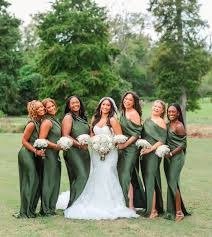
The fabric of a formal dress determines how it moves, how it photographs, how comfortable it is over eight hours, and how much it costs. Most people shop by silhouette and color and treat fabric as an afterthought. That’s a mistake. Here’s what you actually need to know about the three most common formal fabrics before you spend anything.
Understanding Fabric Weight and Drape
Fabric weight is measured in grams per square meter (GSM). Heavier fabrics (higher GSM) hold their shape more rigidly. Lighter fabrics drape and flow. In formal wear, this determines whether a dress creates structure from the fabric itself or relies on boning and underlayers for its shape. A ball gown bodice uses heavy structured fabric or boning. A flowing A-line uses lighter, self-supporting drape.
Drape refers to how a fabric falls when not supported. Silk charmeuse has extreme drape: it clings and flows simultaneously. Chiffon has light, flowing drape with no clinging. Duchess satin has minimal drape: it holds its shape with rigid authority. Knowing where a fabric sits on the drape spectrum tells you how the finished dress will look on your body.
Silk: The Luxury Benchmark
Real silk is a natural protein fiber produced by silkworms. It has a luminous sheen that reflects light differently at different angles, a breathability unmatched by any synthetic alternative, and a drape that’s impossible to fully replicate. According to the Silk Association of America, genuine silk wedding dresses account for less than 15% of U.S. bridal purchases, primarily because of cost.
A real silk wedding gown typically starts at $2,000 and goes up significantly. Silk charmeuse, the most common silk weave in bridal, creates a liquid-drape effect that’s unmistakable in person and beautiful in photography. Silk crepe de chine is slightly more structured and suits column and sheath gowns. The practical care requirement of real silk is dry cleaning only, which adds to the long-term cost.
Satin: Structured Shine
Satin is not a fabric but a weave. Satin weave produces a smooth, shiny surface on one side and a dull surface on the other, regardless of the fiber content (silk, polyester, acetate). Duchess satin is the bridal standard: it’s heavy, structured, and holds silhouette shapes independently. Charmeuse satin is lighter and more drapey, blurring the line between satin and silk.
Polyester satin in a quality weave is visually nearly identical to silk satin in photographs and in dim indoor lighting. The difference is feel and breathability. Polyester satin doesn’t breathe, which makes it uncomfortable in warm weather or over long hours of wearing. On camera, the difference between quality polyester satin and real silk satin is minimal, which is why it dominates mid-range bridal pricing from $500 to $1,500.
Chiffon: Light and Flowing
Chiffon is a sheer, lightweight woven fabric in a plain weave. It’s used in layers (double chiffon) for opacity and in single layers for transparent overlays. Chiffon moves beautifully in air and wind, which makes it particularly effective for flowing A-line and empire waist gowns. It’s the most comfortable formal fabric for warm-weather events because of its minimal weight and air permeability.
The trade-off with chiffon is that it shows every lump and line of whatever is underneath. A quality lining or properly fitted slip is non-negotiable with chiffon. Double chiffon, which layers two panels of chiffon, provides opacity without adding significant weight or heat. Most mid-range chiffon occasion dresses in the $80 to $200 range use polyester chiffon, which is virtually indistinguishable from silk chiffon in photographs.
Tulle, Organza, and Crepe: A Quick Comparison
Tulle is the netting fabric used for ball gown underlayers and decorative overlays. It holds volume without weight, which is why it’s the structural material inside most princess-style gowns. Organza is a lightweight woven fabric stiffer than chiffon, often used for structured skirts and overlays that need to hold their shape without being heavy. Crepe is a plain or slightly textured woven fabric with a matte surface that suits modern minimalist styles.
FAQs
Q: Is silk or satin better for a wedding dress?
A: Real silk is superior in breathability, drape, and luminosity. Quality polyester satin is nearly identical in photographs at a fraction of the cost. For warm-weather ceremonies or long wearing days, silk’s breathability is a practical advantage worth the price premium.
Q: What fabric is most comfortable for summer formal wear?
A: Chiffon is the most comfortable formal fabric for summer events. Its lightweight construction and air permeability keep it comfortable in warm temperatures. Linen and rayon are strong runners-up for semi-formal summer occasions.
Q: Does chiffon look cheap?
A: Quality chiffon does not look cheap. Poor-quality chiffon with an irregular weave can. Double-layered chiffon from quality brands like Donna Morgan or Adrianna Papell reads luxurious. Single-layer chiffon in a loose weave from a fast-fashion brand reads less so.
Q: What is the warmest fabric for a winter wedding dress?
A: Velvet is the warmest formal fabric due to its pile structure, which traps a thin layer of insulating air. Duchess satin and crepe are mid-weight options that provide more warmth than chiffon or charmeuse.
