

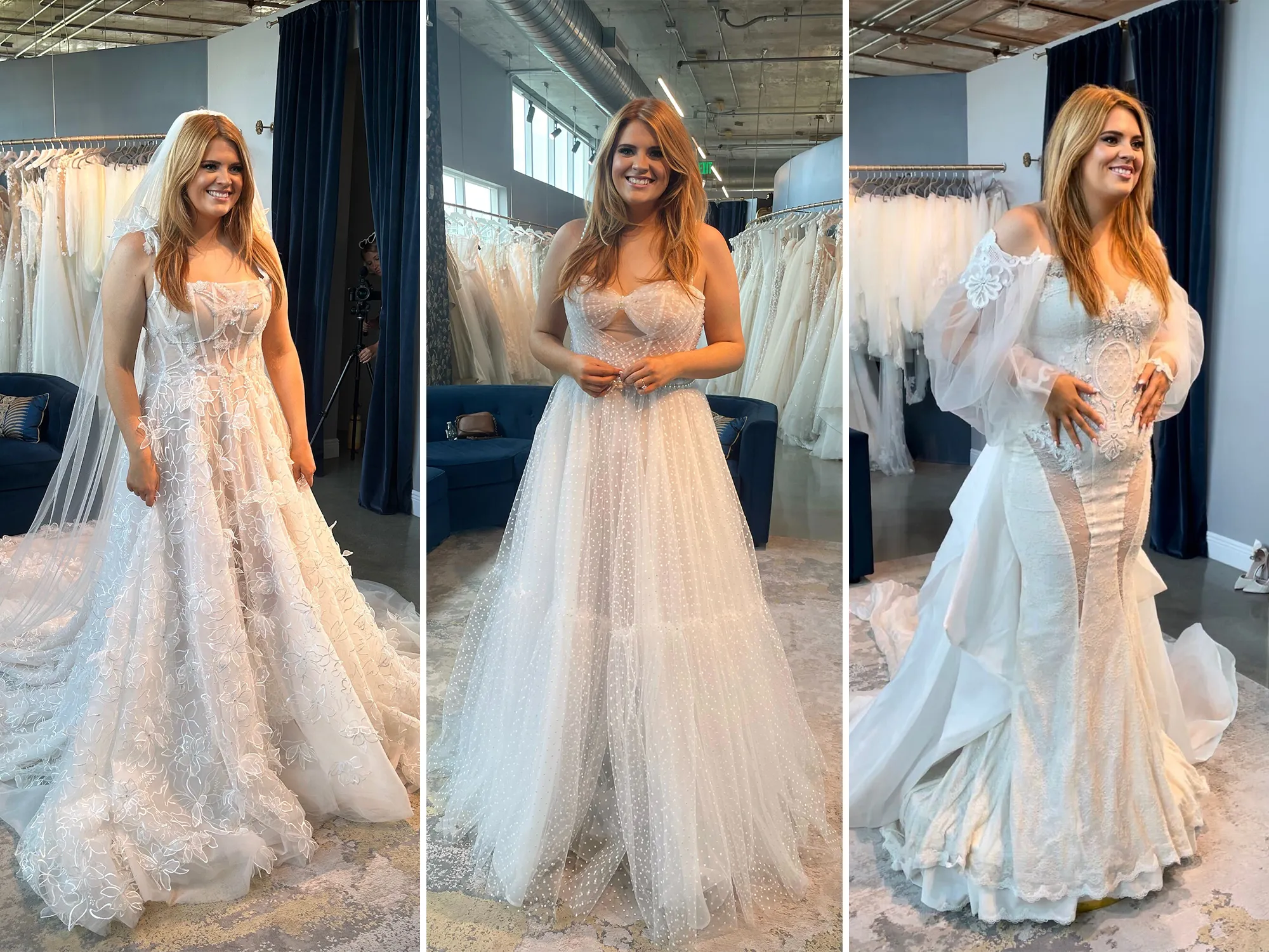
The body type guide to wedding dresses is one of the most searched and most misused pieces of fashion advice that exists. Most versions reduce complicated, nuanced bodies into four shapes and assign a single dress to each, which helps almost no one. I want to do this differently: give you the underlying principles so you can apply them to your actual body rather than a category that may not describe you at all.
Why ‘Flattering’ Is Personal, Not Universal
The word ‘flattering’ is used in fashion as if it has an objective meaning. It doesn’t. Flattering means emphasizing the proportions you want to emphasize and de-emphasizing the ones you don’t. That’s a personal decision, not a universal prescription. Before any body-type advice can help you, you need to identify what you actually want your dress to do: create curves, minimize curves, add length, balance proportions, or simply feel comfortable for eight hours.
Hourglass Figures: More Options Than You Think
An hourglass figure is characterized by a defined waist with bust and hip measurements that are roughly equal. Most body-type guides assign the mermaid to this shape, which is accurate but limited. The mermaid showcases the waist-to-hip curve most dramatically. But an A-line in a fitted bodice also suits the hourglass beautifully while allowing full-day movement. The hourglass has the broadest range of viable silhouettes of any body type.
The consideration for hourglass figures is the waistline. A dropped waist or an empire waist both shift the visual waist point away from the natural waist, which diminishes the defining characteristic of this figure. Stick to natural waist construction: an A-line, a fit-and-flare, or a mermaid that begins its structure at the actual waist. This applies at every price point, from David’s Bridal A-lines at $500 to Vera Wang at $5,000.
Pear and Triangle Shapes: Drawing Attention Upward
A pear or triangle figure carries more weight in the hip and thigh than in the shoulder and bust. The styling goal for most pear-shaped brides is creating visual balance between the upper and lower body. The most effective approaches are: detailed or embellished bodices that add visual weight to the upper body, A-line and ball gown silhouettes that skim and cover the hips without emphasizing them, and necklines that draw the eye upward.
Ball gowns work exceptionally well for pear figures because the full skirt creates a symmetrical bottom half that reads as balanced regardless of hip-to-shoulder ratio. A-line gowns with embellished necklines or structured bodices achieve a similar effect with less fabric volume. What to avoid: tight-fitted styles below the waist that hug the hip, and horizontal details at the hip level that visually widen it further.
Apple and Rounded Middles: Creating Waist Definition
Apple-shaped figures carry weight primarily in the midsection with narrower hips and often well-defined shoulders. The styling approach is creating the appearance of a waist rather than trying to compress one. Empire waist gowns are the most effective approach: the seam sits just below the bust, which is the narrowest point on an apple figure, and everything below it flows freely. This creates a waist definition that comes from the dress’s construction rather than from boning or corset structure that fights the body’s natural shape.
Wrap-style gowns also work well by creating a diagonal neckline that draws the eye across the chest rather than downward to the midsection. Ruching at the waist can either help (if it’s minimal and directional) or hurt (if it’s excessive and adds bulk). Test both in your appointments and photograph yourself in both to see which reads better on camera.
Rectangular and Athletic Builds: Adding Visual Curves
A rectangular figure has similar measurements at the shoulder, waist, and hip with limited natural waist definition. The styling goal is typically creating the appearance of a defined waist and/or curves. Fit-and-flare silhouettes do this most effectively by structuring the dress at the waist and flaring from the hip. The structural contrast creates the illusion of a waist-to-hip differential even where the natural body doesn’t have one.
Embellishment strategies also help: a sash at the waist, a belt at the natural waist, or a contrast-fabric waistband all create a waist focal point. Diagonal seaming and ruching in the bodice add visual curves through fabric manipulation. A-lines with a structured, boned bodice and a full skirt create a classic princess silhouette that suits rectangular figures because the structure of the dress creates the hourglass impression independently of the body inside it.
FAQs
Q: What wedding dress style suits an hourglass figure?
A: Mermaid, fit-and-flare, and A-line with a structured bodice all suit hourglass figures well. Mermaid showcases the waist-to-hip ratio most dramatically. A-line provides the same flattery with more movement freedom.
Q: What dress is most flattering for a pear-shaped bride?
A: A-line and ball gown silhouettes with embellished or detailed bodices work best for pear shapes. These styles draw attention upward and skim or cover the hip area without emphasizing it.
Q: Can apple-shaped women wear mermaid gowns?
A: A mermaid is not the easiest silhouette for apple figures because it hugs the midsection. An empire waist or a wrap-style gown creates more flattering proportions. If a mermaid is a must, try it with a corseted bodice for structured waist definition.
Q: What wedding dress makes you look taller?
A: Column and sheath gowns create an unbroken vertical line that reads as tall. A-line in a monochromatic color from bodice to hem also lengthens the figure. Avoid horizontal seaming and contrast waistbands that interrupt the vertical line.
