
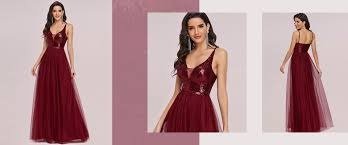
‘Evening gown’ and ‘formal dress’ get used interchangeably in everyday conversation, but they’re not the same thing. Treating them as synonyms will put you in the wrong outfit at the wrong event faster than almost any other dress code misjudgment. Here’s the actual distinction and exactly when each applies.
Defining an Evening Gown
**An evening gown is a full-length dress in a luxury fabric (silk, satin, velvet, chiffon) designed specifically for formal evening occasions. Length is the defining characteristic: an evening gown reaches the floor. It’s the highest category of women’s occasion wear below white tie, and it’s specifically associated with after-dark events: galas, black tie weddings, award ceremonies, and formal receptions.**
The evening gown as a category carries formality expectations that go beyond just length. The fabric must be evening-appropriate: satin, silk, velvet, or heavy chiffon. Casual fabrics in a floor-length silhouette (a cotton maxi, a jersey sundress that skims the floor) are not evening gowns. The construction, the fabric weight, and the design intent all contribute to a gown reading as an evening garment.
What Counts as a Formal Dress
A formal dress is a broader category that encompasses any dress worn to a formal occasion. It includes evening gowns at the top end but also includes knee-length and midi dresses that meet cocktail and semi-formal expectations. ‘Formal’ describes the occasion type and the dress’s relative position on the formality spectrum, not a specific length or fabric requirement.
A formal dress for a cocktail wedding invitation is a polished knee-to-midi dress in a dress-quality fabric. A formal dress for a black tie invitation is a floor-length gown. The word ‘formal’ alone doesn’t specify length. The event descriptor does. This is the distinction that most people miss when they see ‘formal attire’ on an invitation.
When an Evening Gown Is Required
An evening gown is specifically required at black tie events, white tie events, and any invitation that says ‘formal gown,’ ‘evening wear,’ or ‘floor-length required.’ Charity galas, presidential dinners, state functions, opera nights, and black tie weddings all fall into this territory. The expectation is unambiguous: floor-length, formal fabric, evening-quality accessories.
When a Formal (Non-Floor-Length) Dress Is Acceptable
A formal dress that isn’t floor-length is acceptable at cocktail, semi-formal, festive, and garden party dress codes. It’s also acceptable at black tie optional, which is a commonly misunderstood code. ‘Black tie optional’ means that black tie is preferred but formal cocktail wear is accepted. A very formal midi at a black tie optional event reads appropriately.
Accessories That Shift a Dress from Formal to Evening
The accessories around a dress can shift its formality register meaningfully. A knee-length dress in silk charmeuse with diamond earrings, a satin minaudiere, and strappy heeled sandals reads closer to evening than the same dress with a cardigan, flat sandals, and a canvas bag. The dress provides the formality foundation, but the accessories complete the tier.
Evening accessories have a specific visual language: small, structured clutches over shoulder bags; fine jewelry over costume fashion jewelry; formal heels over casual footwear. Understanding this language lets you flex the formality of a single dress across different events through accessory choices alone.
FAQs
Q: What is the difference between a formal dress and an evening gown?
A: An evening gown is always floor-length in a luxury fabric: silk, satin, velvet, or heavy chiffon. A formal dress is a broader category that includes gowns and polished shorter dresses appropriate for formal occasions. Length is the primary distinguishing factor.
Q: Do I need a floor-length dress for a black tie wedding?
A: Technically yes. Black tie requests floor-length formal wear. In American social practice, a very formal heavily embellished midi passes at most black tie events, but floor-length in an evening fabric is always the correct and safest interpretation.
Q: Can I wear an evening gown to a cocktail wedding?
A: Technically yes, but it will read as overdressed. An evening gown at a cocktail event is the over-formal equivalent of wearing a sundress to a black tie event. It’s not a fashion emergency, but it communicates a misreading of the dress code.
Q: What makes a dress ‘formal’ rather than just ‘nice’?
A: Formal dresses are distinguished by fabric quality (dress-specific materials like crepe, satin, or chiffon), construction (lining, seam finishing, structure), and design intent (cut for special occasions rather than everyday wear). A ‘nice’ casual dress in cotton or jersey doesn’t automatically read as formal regardless of how well it fits.
